Gas Lines Built for Safe Outdoor Use
Outdoor Gas Piping in Lewiston and surrounding areas for grills, fire pits, and outdoor kitchens that require permanent fuel connections
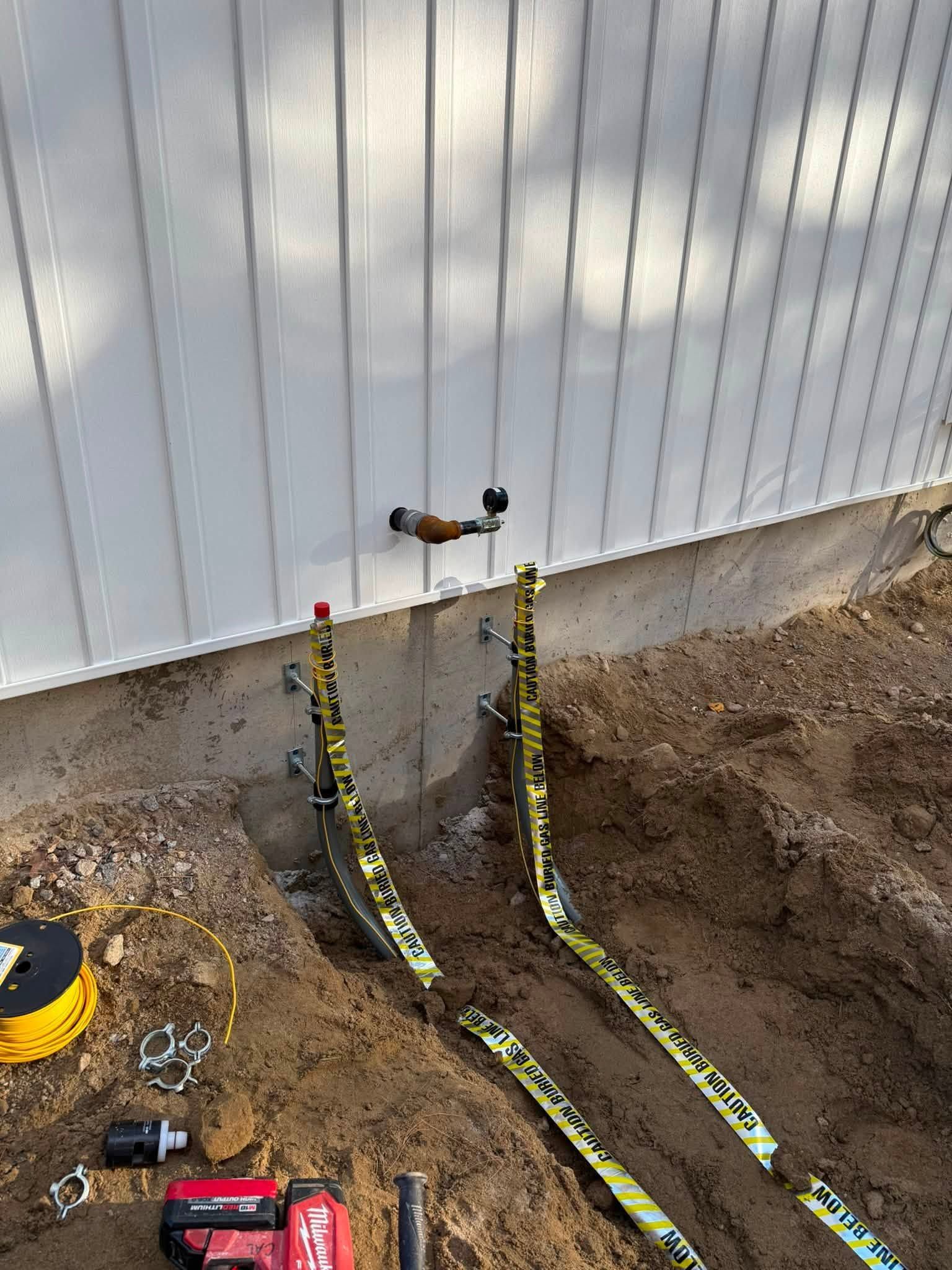
CAL Plumbing & HVAC LLC installs outdoor gas piping that connects natural gas or propane lines from your home's main supply to outdoor appliances and features in Lewiston. These permanent gas connections eliminate the need for portable tanks and provide consistent fuel delivery to outdoor cooking equipment, fire features, and heating elements. The installation involves routing gas-rated pipe underground or along exterior walls, sizing the line correctly for appliance demand, and ensuring all connections meet pressure testing requirements.
Gas piping for outdoor spaces must account for underground routing through soil and landscaping, exposure to moisture and temperature changes, and precise pressure calculations based on the distance from your gas meter and the BTU requirements of connected appliances. The pipe material, depth of burial, and joint connections all follow specific code requirements that prevent leaks and maintain safe operation across seasons.
Schedule a property evaluation to determine routing options and gas supply capacity for your outdoor appliances.
What Proper Gas Line Installation Requires
The installation process begins with calculating total BTU demand from all planned appliances to confirm your existing gas supply can support the additional load without pressure drops. The pipe is sized accordingly—undersized lines result in weak flames and poor appliance performance, while proper sizing maintains consistent pressure even when multiple features operate simultaneously.
Once the work is complete, you'll notice appliances ignite reliably and maintain steady flames without the weak burner performance that signals supply problems. The connection points at each appliance include shutoff valves that allow you to isolate individual features for maintenance or seasonal shutdown, and all piping is tested to operating pressure before final connection to verify the system holds without any measurable pressure loss.
Gas line repairs address leaks at fittings, damaged pipe sections from landscape work or ground settling, and corroded connections on older installations. Repairs involve isolating the affected section, replacing damaged components with code-compliant materials, and pressure testing the entire system to confirm integrity before restoring gas service.
Questions Before Starting Your Project
Homeowners planning outdoor gas installations typically want to understand the process, material requirements, and how the work integrates with existing gas systems.
What determines if my current gas supply can handle additional outdoor appliances?
The decision depends on your gas meter size, the total BTU load of existing indoor appliances, and the BTU requirements of the outdoor features you're adding. A supply calculation determines if the meter and main line have capacity or if an upgrade is needed before outdoor lines can be added.
How is underground gas pipe protected from moisture and soil conditions?
Gas pipe installed underground in Lewiston uses corrosion-resistant materials rated for direct burial and is placed at code-required depths to protect against landscaping equipment and ground movement. The pipe is bedded in sand or fine soil to prevent sharp rocks from causing damage.
What happens if I want to add more gas appliances later?
The system is designed with capacity planning in mind. If you install piping sized for future expansion, adding another fire pit or patio heater requires running a branch line from the existing piping rather than upsizing the entire system from the meter.
When should gas lines be tested for leaks?
All new installations are pressure tested before appliances are connected, typically holding test pressure for a minimum period to verify no pressure drop occurs. Existing lines should be tested if you notice a gas odor, after any ground disturbance near buried piping, or when adding new appliances to older systems.
How do shutoff valves work at each outdoor appliance?
Each appliance connection includes an accessible shutoff valve located within a few feet of the appliance. You can turn these valves to close gas flow for seasonal shutdown, appliance replacement, or maintenance without affecting gas supply to other features or your home's interior appliances.
CAL Plumbing & HVAC LLC sizes and installs gas piping based on your appliance specifications and property layout. Arrange an on-site consultation to review routing options and confirm your gas supply meets the demand for your outdoor space.