Furnaces Restored to Reliable Operation
Heating Services & Repair in Lewiston and surrounding areas for equipment that cycles erratically or fails to ignite during cold weather
When the thermostat calls for heat but the furnace ignites briefly then shuts down without warming the house, the flame sensor has likely developed a coating that prevents it from detecting combustion. Heating system repairs address ignition failures, airflow restrictions, and control malfunctions that prevent equipment from operating as designed. CAL Plumbing & HVAC LLC services furnaces and heating systems throughout Lewiston, handling both emergency breakdowns during winter cold snaps and scheduled maintenance that prevents those failures. You call for this service when the blower runs but no heat comes from the vents, when the system shuts off on its safety limit switch, or when fuel consumption spikes without a corresponding increase in comfort.
Troubleshooting begins with checking the simplest failure points before disassembling major components. A clogged air filter reduces airflow enough to overheat the heat exchanger and trip the limit switch, mimicking symptoms of a failed inducer motor or pressure switch. Preventative maintenance includes inspecting burners for corrosion, testing ignition systems under load, and measuring temperature rise across the heat exchanger to confirm it falls within the manufacturer's specification range.
Schedule a system inspection to identify wear patterns before they lead to mid-winter breakdowns.
What Changes After Heating System Maintenance
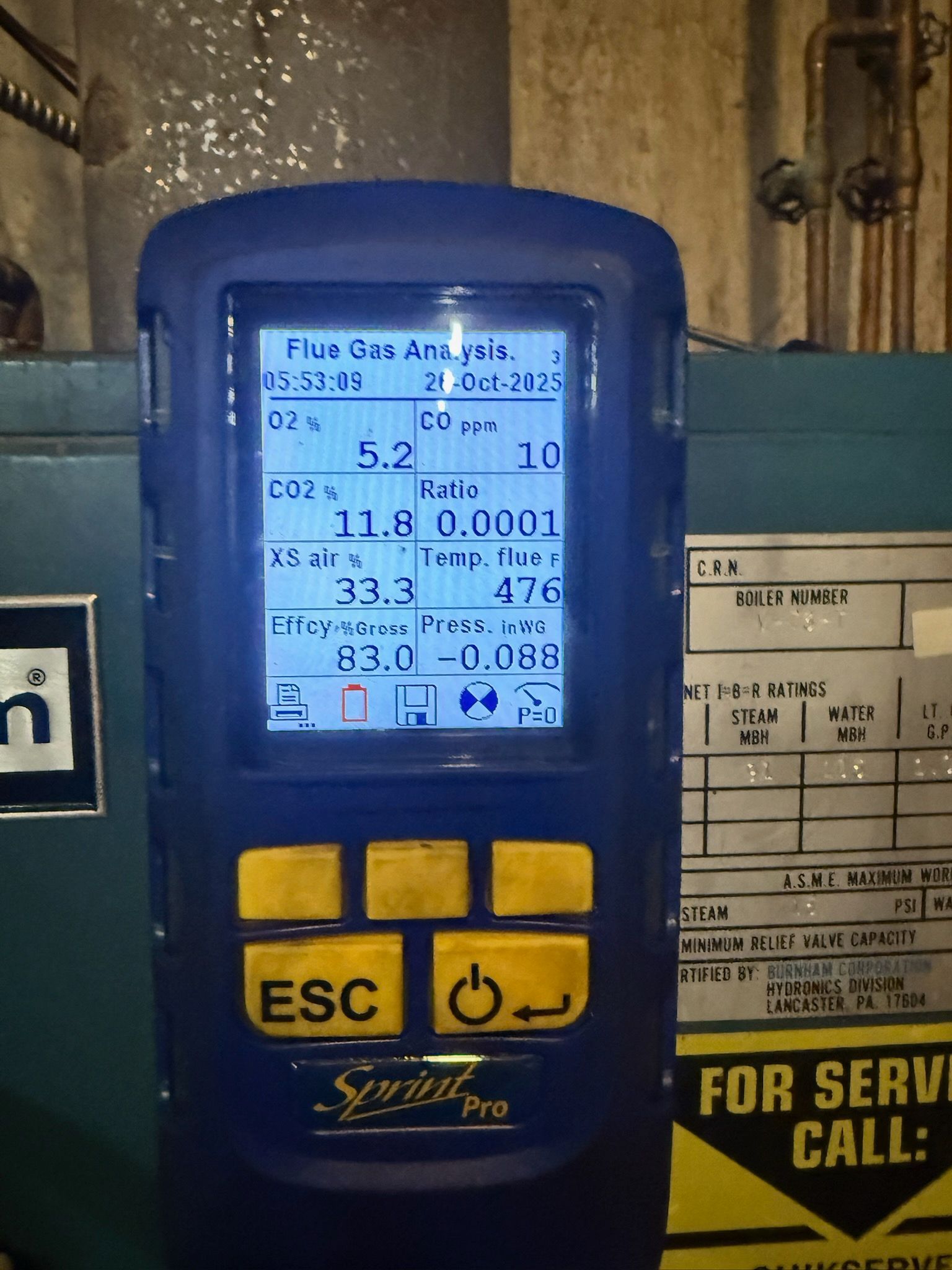
Service involves cleaning flame sensors and burner assemblies, lubricating blower bearings, and testing safety controls to verify they shut the system down when temperature or pressure exceeds safe thresholds. Condensate drain lines on high-efficiency furnaces are flushed to remove algae buildup that eventually blocks flow and triggers float switch shutdowns. Each component is tested individually to isolate failures rather than replacing parts based on guesswork.
After repairs and maintenance are complete, the furnace ignites reliably on the first call for heat and runs through complete cycles without mid-cycle shutdowns. You notice even heat distribution without cold drafts, consistent indoor temperatures that match the thermostat setting, and elimination of the rattling or squealing sounds that indicated worn blower components. Fuel efficiency returns to expected levels because combustion occurs cleanly with proper air-fuel mixture.
Cleanings involve vacuuming accumulated dust from the blower housing and heat exchanger passages, which improves airflow and prevents overheating. Many furnace failures in Lewiston homes trace back to years of dust accumulation restricting airflow to the point where safety limits engage to prevent heat exchanger damage. Regular cleaning extends equipment life and maintains efficiency.
What Property Owners Usually Ask
Heating repairs often happen under time pressure during cold weather, when understanding the problem helps prioritize solutions and avoid unnecessary system replacement.
What causes a furnace to ignite then shut down immediately?
Flame sensor contamination prevents the control board from confirming ignition, causing a safety shutdown after a few seconds. Cleaning the sensor rod with fine steel wool restores the electrical conductivity needed for flame detection.
How often should heating systems receive maintenance?
Annual service before heating season begins catches wear issues while parts are still available and technicians aren't backlogged with emergency calls. Lewiston's heating season runs October through April, making September the ideal maintenance window.
Why does the blower run constantly even when the thermostat is off?
The fan limit switch may be set to manual-on instead of auto, the thermostat may be calling for continuous fan operation, or the control board has failed in a state that powers the blower regardless of heat demand. Diagnosis involves checking each control point systematically.
When should a heat exchanger be replaced versus replacing the entire furnace?
Heat exchanger cracks indicate the furnace has reached end of life, and replacement exchanger cost plus labor often exceeds seventy percent of new equipment cost. CAL Plumbing & HVAC LLC evaluates whether other components show similar wear that would require near-term replacement anyway.
What maintenance can prevent most emergency repairs?
Replacing filters monthly during heating season, keeping vents and returns unblocked, and scheduling annual professional service prevents ninety percent of mid-winter failures. Ignoring minor performance changes like longer run times or uneven heating allows small problems to compound into major breakdowns.
CAL Plumbing & HVAC LLC stocks common replacement parts for most furnace brands and models, which reduces repair turnaround time when components fail. Contact the office to arrange a diagnostic appointment or schedule preventative maintenance before heating demands peak.