Year-Round Climate Control From One System
Heat Pump Installation in Lewiston and surrounding areas for homes needing both heating and cooling capacity without separate equipment
Heat pumps extract thermal energy from outdoor air even when temperatures drop below freezing, reversing the refrigeration cycle to heat indoor spaces without combustion or resistance coils. CAL Plumbing & HVAC LLC installs residential heat pump systems throughout Lewiston, handling new construction installations and retrofit replacements that eliminate the need for separate furnace and air conditioning equipment. The technology works efficiently down to temperatures around five degrees Fahrenheit, below which backup heat sources supplement output during extreme cold snaps. You need this when building new and want a single system for year-round comfort, or when replacing aging equipment and want to add cooling capacity without installing ductwork modifications.
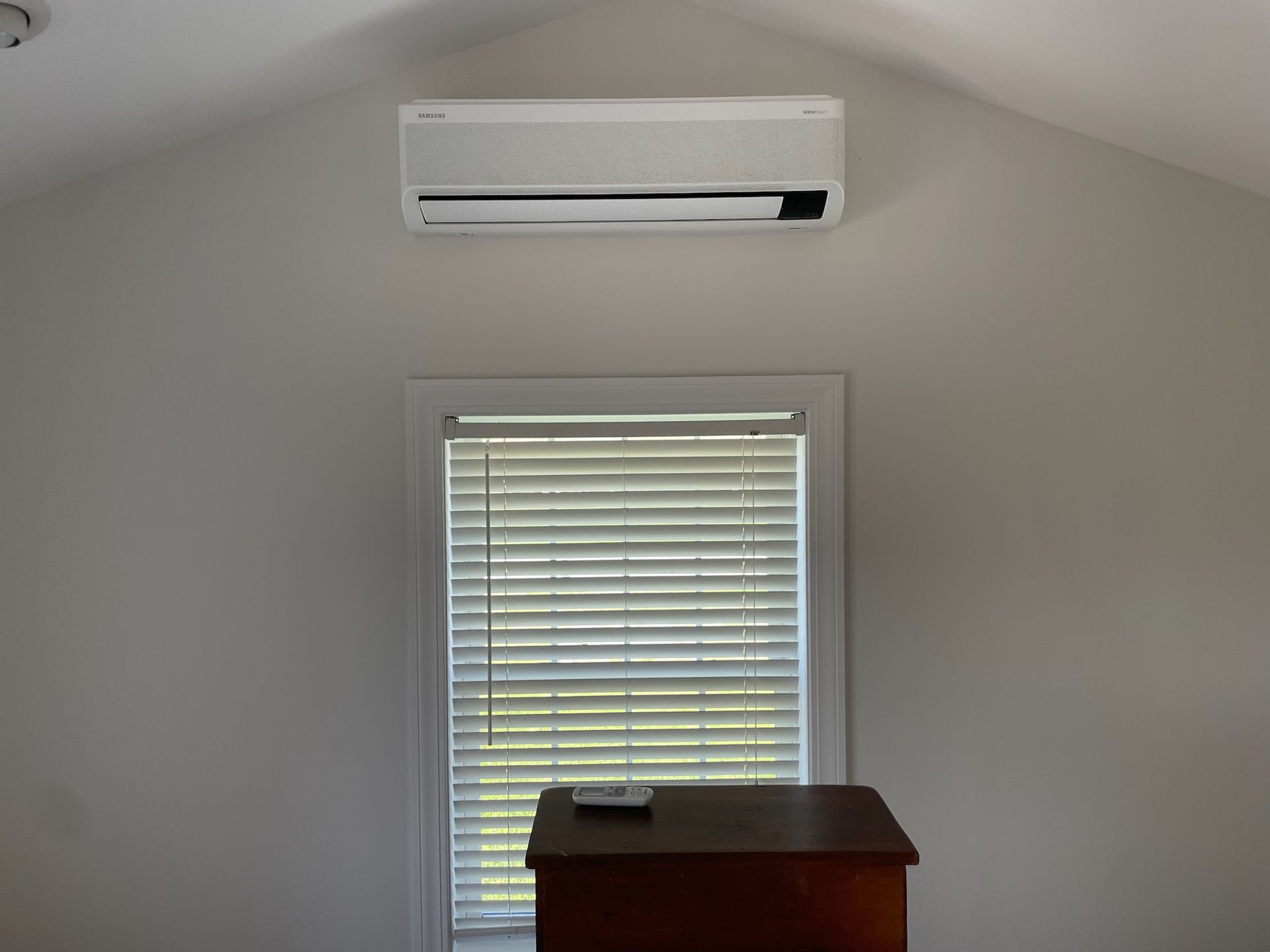
Installation involves mounting the outdoor condenser unit on a raised pad that prevents snow accumulation from blocking airflow, since Lewiston winters bury ground-level equipment under drifts that restrict refrigerant flow and reduce capacity. Indoor air handlers connect to existing ductwork or mount as wall units in ductless configurations, depending on whether distribution infrastructure already exists. Refrigerant line sets are insulated and sealed to prevent condensation and heat loss between indoor and outdoor components.
Arrange an on-site evaluation to determine whether your current electrical service can handle heat pump loads.
What Heat Pump Systems Actually Accomplish
The process begins with load calculations that account for both summer cooling demand and winter heating requirements, since the same equipment must handle temperature extremes in both directions. Energy-efficient models use variable-speed compressors that adjust output to match actual demand rather than cycling on and off, which maintains more consistent temperatures and reduces operating costs. Line set routing is planned to minimize refrigerant line length, since every additional foot of tubing reduces system efficiency and capacity.
Once the system is operational, you notice even temperatures throughout the home in both summer and winter without the temperature swings typical of single-speed equipment. The heat pump operates quietly compared to older air conditioners because modern compressors ramp speed gradually rather than starting at full load. CAL Plumbing & HVAC LLC programs defrost cycles based on local climate patterns, which prevents ice buildup on outdoor coils that blocks airflow and reduces heating capacity during winter operation.
Energy-efficient heating and cooling from a heat pump reduces electricity consumption compared to resistance baseboard heat or window air conditioning units, since the system moves existing heat rather than generating it through electrical resistance. Operating costs depend on electricity rates and how well the home's insulation minimizes heat loss, but properly sized systems typically reduce heating costs by thirty to forty percent compared to electric resistance heat.
Common Questions About This Service
Heat pump technology has advanced significantly in recent years, and understanding current capabilities helps homeowners evaluate whether the systems meet their specific heating and cooling needs.
How do heat pumps provide heating when outdoor temperatures are below zero?
Refrigerant absorbs heat even from very cold air because it circulates at temperatures lower than the surrounding environment. Modern cold-climate heat pumps maintain full capacity down to five degrees Fahrenheit and continue operating at reduced capacity to negative fifteen degrees, with backup resistance heat supplementing output during extreme cold.
What electrical upgrades are needed for heat pump installation?
Most systems require a dedicated 240-volt circuit with appropriate amperage for the specific model, which may involve panel upgrades if the existing service is already at capacity. Lewiston homes built before 1980 often have 100-amp service that needs upgrading to 200-amp panels to handle heat pump loads plus other household demand.
Why choose a heat pump over separate heating and cooling systems?
A single heat pump eliminates the maintenance, space requirements, and operating costs of running two separate systems, and modern inverter-driven models provide better humidity control and temperature stability than traditional furnaces and air conditioners cycling on and off.
When should ductless mini-splits be considered instead of ducted systems?
Homes without existing ductwork, additions that can't easily tie into central systems, or spaces with specific comfort requirements benefit from ductless configurations that provide independent zone control without the cost and space loss of installing new ducts.
What maintenance do heat pumps require?
Outdoor coils need annual cleaning to remove pollen and debris, indoor filters require monthly replacement, and refrigerant charge should be verified during annual service to ensure the system operates at designed efficiency. Winter operation demands keeping snow cleared from the outdoor unit and ensuring condensate drainage doesn't freeze and block flow.
CAL Plumbing & HVAC LLC provides efficiency comparisons and payback analysis showing how heat pump operating costs compare to current heating fuel expenses. Request a planning session to review system options and determine the best configuration for your home's layout and heating demands.