Heat That Performs Through Northern Winters
Heating Installation in Lewiston and surrounding areas for new construction builds and aging systems that no longer maintain temperature
Furnaces sized incorrectly for the home's heat loss deliver uneven temperatures, cycle constantly, and drive up fuel costs without ever reaching the thermostat setting. New heating system installation involves calculating actual BTU requirements based on insulation levels, window square footage, and air infiltration rates rather than simply matching the tonnage of the old unit. CAL Plumbing & HVAC LLC installs residential heating systems throughout Lewiston, handling both new construction setups and replacement installations when existing equipment fails beyond economical repair. You need this when the current furnace is over fifteen years old and requires frequent service calls, or when building new space that needs dedicated heating capacity.
Proper sizing prevents short-cycling, where the system shuts off before completing a full heat cycle because the furnace is oversized and raises room temperature too quickly. Lewiston winters demand consistent heat output over extended periods, not brief blasts of warmth followed by long cold gaps. Installation includes ductwork inspection to ensure return air flow matches supply capacity, since restricted airflow reduces efficiency and eventually cracks heat exchangers from overheating.
Request a detailed heat-loss calculation to verify equipment sizing before installation begins.
Why System Sizing Determines Long-Term Performance
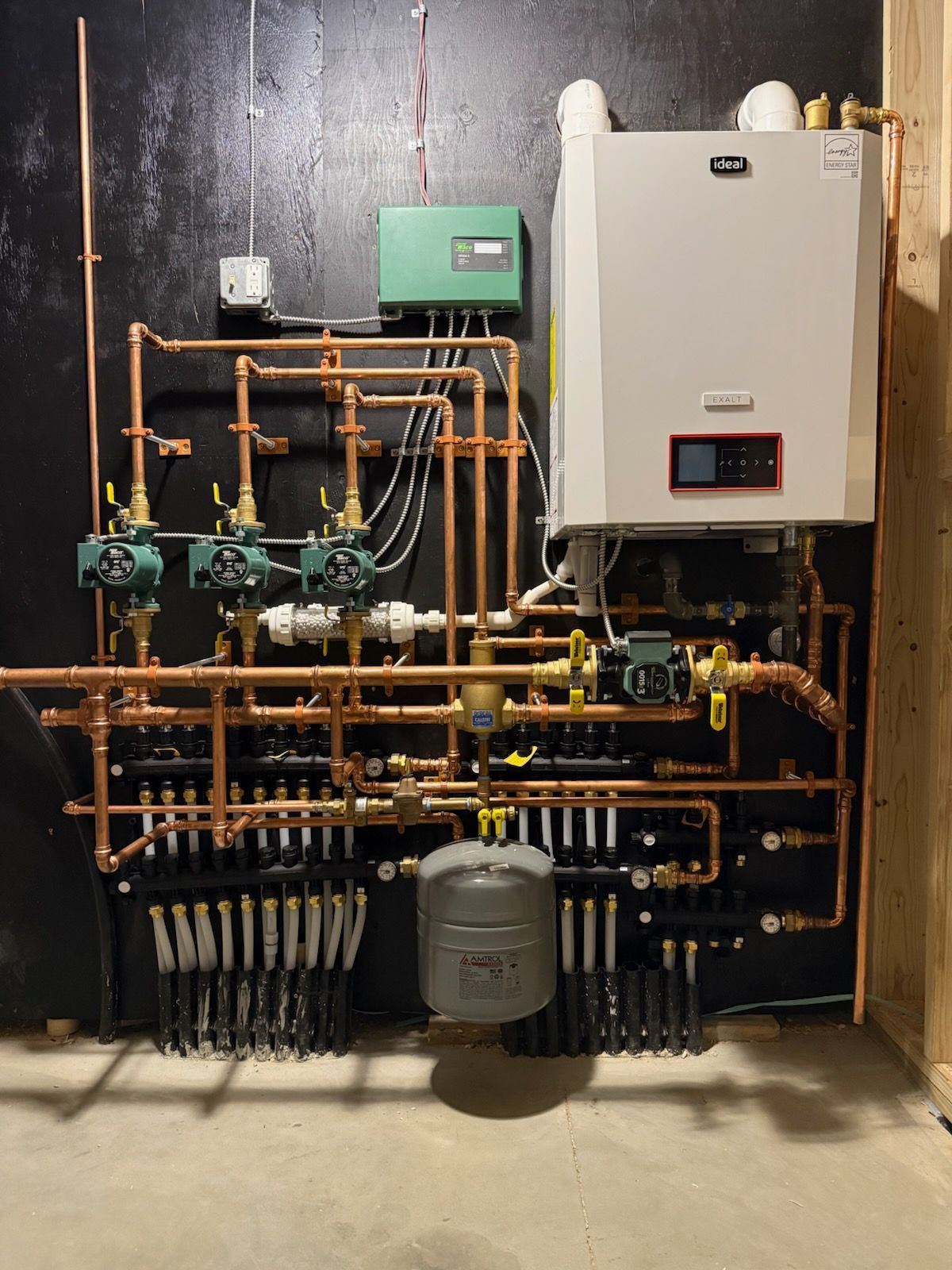
Installation begins with verifying that existing ductwork can handle the airflow volume the new system produces, since undersized ducts create static pressure that reduces output and shortens equipment life. Energy-efficient systems often require larger return ducts than older furnaces because they move more air at lower temperatures to reduce fuel consumption. The process includes sealing duct joints with mastic rather than tape, which degrades and leaks air into unconditioned spaces like attics or crawlspaces.
Once the system is operational, you notice rooms reach set temperature evenly without hot spots near vents or cold zones in distant bedrooms. The furnace runs in longer, quieter cycles instead of rapid on-off patterns, and fuel consumption drops because the equipment operates at its designed efficiency range rather than constantly restarting. CAL Plumbing & HVAC LLC positions thermostats away from heat sources and drafts, which prevents false readings that cause the system to shut down prematurely.
Replacement installations also include upgrading to sealed combustion models when the home layout allows, which draw combustion air from outside rather than depleting conditioned interior air. This matters in tightly-built newer homes where insufficient makeup air causes backdrafting and carbon monoxide risks with atmospheric-vented equipment.
Answers to Frequent Service Questions
Heating installations involve decisions about fuel type, efficiency levels, and compatibility with existing distribution systems, all of which affect long-term operating costs.
How is furnace size determined for a specific home?
Heat loss calculations measure insulation R-values, window U-factors, air leakage rates, and the temperature difference between indoor settings and winter design temperatures. Lewiston's design temperature of negative nine degrees Fahrenheit means systems must maintain output during sustained cold snaps, not just average winter conditions.
What happens if ductwork isn't adequate for the new system?
Undersized ducts require either enlarging the main trunk lines or adding parallel runs to increase total cross-sectional area. Without proper airflow, even high-efficiency furnaces underperform and experience premature blower motor failure from overwork.
Why do energy-efficient systems sometimes cost more to install?
High-efficiency condensing furnaces require dedicated PVC venting and condensate drainage that atmospheric models don't need, plus electrical requirements for variable-speed blowers that older single-speed systems lacked. The upfront cost is offset by lower fuel consumption over the system's twenty-year lifespan.
When should a heating system be replaced instead of repaired?
Systems over fifteen years old with cracked heat exchangers, frequent ignition failures, or efficiency ratings below eighty percent annual fuel utilization efficiency cost more to operate and repair than replacing with current equipment rated at ninety-five percent or higher.
What preparation is needed before installation day?
Clear access to the existing furnace location, remove stored items from the installation area, and confirm that gas or oil lines can be safely shut off during equipment changeover. Most installations complete in one day with heat restored by evening.
CAL Plumbing & HVAC LLC provides system comparisons showing projected fuel costs and payback periods for different efficiency levels. Arrange a consultation to review equipment options and determine the right capacity for your specific heat loss profile.